Authentic Recipes and Fresh Taste at Cuban Bakery Aurora CO
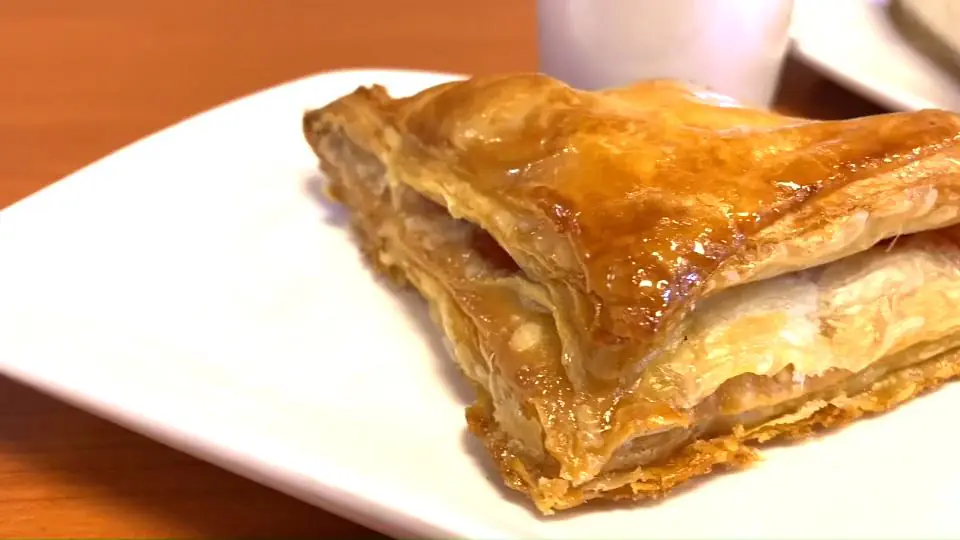
There is a https://shanepdeu545.cloudhinter.com/posts/experience-warm-hospitality-at-a-cuban-bakery-aurora-co difference between a bakery that sells Cuban pastries and a bakery that understands Cuban baking from the inside out. You taste it almost immediately. The dough has the right balance of richness and lightness. The guava filling is bright rather than sugary and flat. The coffee is not an afterthought. Even the way the bread cracks when you pull it apart tells you whether the bakers know the tradition or are only borrowing the look.
That difference matters in a place like Aurora, where diners are spoiled for choice and quick to recognize quality. A strong Cuban bakery does more than offer something sweet in a display case. It brings together old formulas, fresh production, and the kind of steady execution that turns a morning stop into a habit. When people search for a Cuban bakery Aurora CO residents actually return to, they are usually looking for exactly that mix: authenticity, freshness, and consistency.
The appeal is not only cultural, though that is part of it. It is practical too. Fresh Cuban baking fits real life beautifully. A warm pastelito with coffee works for breakfast. A loaf of Cuban bread can carry lunch. Croquetas and savory pastries handle the late afternoon hunger that always seems to hit between errands. A bakery that makes these items well becomes part of the neighborhood rhythm.
What authenticity tastes like in a Cuban bakery
Authenticity gets used loosely in food writing, and often without enough care. In baking, it is not about nostalgia alone. It is about method, restraint, and product knowledge. A true Cuban bakery tends to show its standards in a few specific ways.
First, the balance of sweetness is usually more disciplined than outsiders expect. Good Cuban pastries are flavorful and satisfying, but they should not bury the fillings under sugar. Guava should taste like guava, with that floral, lightly tart edge. Cream cheese should add a soft tang that pulls the fruit into focus. Coconut fillings should have texture, not just syrupy heft.
Second, the dough matters as much as the filling. Pastelitos need layers that bake up delicate and crisp at the edges while staying tender through the center. If the pastry shatters into greasy flakes or turns chewy after ten minutes, something went wrong either in lamination, proofing, or bake temperature. Skilled bakers know how narrow the margin can be.
Third, savory items need the same respect as desserts. Too many bakeries treat croquetas, empanadas, and stuffed pastries as side items. In a serious Cuban bakery, the savory case is often where the kitchen proves itself. Properly seasoned ham croquetas should be creamy inside, lightly crisp outside, and free from the stale oil taste that comes from rushed frying. A beef pastry should have filling that is distinct and well-spiced, not watery enough to soften the shell.
Finally, authenticity shows up in the bread. Cuban bread looks simple, but simple bread is where technique gets exposed. A proper loaf should have a thin crust, an airy but structured crumb, and enough flavor to carry both butter and a pressed sandwich. Bread that is too dense, too pale, or too dry may still be edible, but it misses the point.
Freshness is not a slogan, it is the whole experience
Freshness in a bakery is easy to claim and impossible to fake for long. Customers may not know exactly what they are detecting, but they can tell when the baking cycle is aligned with service and when it is not.
The freshest bakeries organize production around demand. That means baking in batches, replenishing popular items, and accepting that some products have a very short peak window. Guava pastries are best when the exterior still carries a little warmth and the filling has not gone gummy from sitting under bright case lights. Cuban bread is at its best the day it is baked, especially within the first several hours. Croquetas hold better than many pastries, but even they have a clear quality curve.
In practical terms, fresh taste comes down to details customers may never see. Butter or shortening must be stored properly. Fillings need to be cooled and held safely without drying out. Dough handling has to be firm but not rough. The display case should be stocked with enough volume to look abundant, but not so much that items linger past their ideal shelf life.
One of the clearest markers of a well-run bakery is the pace of turnover. If certain trays empty quickly and come back just as quickly, that is usually a strong sign. Bakers who know their customer flow can time production to meet the breakfast rush, midday pickup, and late afternoon traffic without letting quality sag between peaks.
This is one reason a local Cuban bakery Aurora CO diners trust often develops a loyal base well before it attracts destination traffic. Neighborhood regulars learn when the fresh batches come out. They know which hour gives them the best chance at still-warm pastries or bread just cool enough to slice cleanly. That kind of pattern only emerges when the bakery is producing with care rather than merely stocking a case.
The pastry case that keeps people coming back
A Cuban bakery succeeds or fails in the pastry case. It is the first thing most guests study, and for good reason. The variety can be generous without becoming chaotic when there is a clear understanding of what each item should deliver.
Pastelitos are usually the headline act. Guava remains the standard bearer, and it should. A good guava pastelito offers contrast in every bite: flaky dough, sticky fruit center, slight caramelization on top, and enough acidity to prevent sweetness from becoming tiring. The guava and cheese version often shows even more craftsmanship because it depends on balance. Too much cheese and the filling turns heavy. Too much guava and it becomes one-note.
Then there are items that reward a more experienced eye. Coconut pastries, turnovers with fruit fillings, and custard-based sweets can reveal the kitchen’s range. A bakery that does the fundamentals well often shines on these second-choice items, the ones regulars order after they have already tested the obvious classics.
Texture is where many bakeries lose their edge. Pastries should not taste as though they were baked hours too early and held too long. The tops should retain some sheen and crispness. The interior should feel lively, not tired. Even a chilled item should not seem inert. Fresh baking has movement to it, if that makes sense, a contrast of crumb, filling, crust, and aroma that reads immediately on the palate.
Coffee completes the equation. Cuban pastries without strong coffee feel incomplete. The slight bitterness and roasted depth of café Cubano or a well-made cortadito sharpen the sweetness and make each bite more precise. It is a pairing built on practical wisdom. The coffee is not decorative, it is structural.
Savory staples deserve as much attention as sweets
People unfamiliar with Cuban bakeries often assume they are mainly dessert shops. That misses half the appeal. Savory offerings are often the reason customers become regulars, especially those who need something more substantial than a pastry and coffee.
Croquetas are a perfect example. They seem simple, but they can go wrong in several predictable ways. The filling can be underseasoned, the breading can separate, or the fry can turn greasy if the oil temperature drops. When they are made correctly, croquetas are smooth, rich, and fragrant, with a shell that breaks cleanly without collapsing. Ham is classic, but chicken and cheese versions can be excellent when handled with the same discipline.
Empanadas and meat-filled pastries also carry a lot of weight in the daily life of a bakery. These are not novelty items. They are practical food, portable and filling, exactly what many customers want before work or during a short lunch break. The best ones have enough seasoning to stand on their own, but not so much that every bite tastes identical. Good bakers understand that onion, pepper, garlic, and spice should support the filling rather than dominate it.
Cuban sandwiches add another layer, especially when the bread is made in-house. This is where the bakery can connect its bread program to its savory kitchen in a meaningful way. Fresh Cuban bread changes the sandwich from decent to memorable. The crust crisps on the press while the inside stays soft enough to absorb roasted pork juices, mustard, pickles, and melted Swiss without turning soggy.
If you want to judge the kitchen quickly, pay attention to these five things:
- Whether the savory items taste freshly cooked rather than reheated
- Whether the bread stays crisp outside and soft inside
- Whether fillings are seasoned clearly but not aggressively
- Whether the oil used for fried items tastes clean
- Whether hot items are served at the right temperature, not lukewarm
That short test reveals a lot about standards behind the counter.
Why Cuban bread is harder than it looks
Bread is often the quiet benchmark in any bakery because people think they already understand it. Cuban bread proves otherwise. It asks for timing, humidity control, dough strength, and attention to fermentation. A baker cannot hide mistakes behind frosting or heavy fillings.
At its best, Cuban bread has a fine, even crumb with enough elasticity to bounce back when pressed. The crust should be delicate rather than aggressively hard. You want just enough crackle to hear it when sliced, but not so much that it explodes under a sandwich press. The flavor should be mild, but not blank. Bread like this supports fillings without disappearing beneath them.
In dry climates, maintaining this profile can be especially challenging. Doughs can skin over faster than expected. Proofing behavior changes with season and shop conditions. Finished loaves stale quickly if they are not handled well. Bakers in Colorado have to pay attention to variables that bakers in more humid regions may take for granted. That is one reason it is worth appreciating a bakery that gets the bread right in Aurora. It takes more judgment than customers may realize.
Fresh bread also changes how people shop. Instead of buying a single pastry, they may pick up a loaf for sandwiches at home, a few croquetas for later, and dessert to finish the meal. A bakery stops being a treat-only destination and becomes part of weekly food planning. That is usually a sign that the quality is not just flashy, but dependable.
The role of routine, memory, and neighborhood trust
A bakery earns loyalty slowly. It happens one order at a time, especially in a diverse city where people compare notes and bring real expectations to the counter. Cuban food carries strong memory for many customers. They know how a guava pastry should smell when the box opens. They know the right resistance of fresh bread under a knife. They know when coffee has enough body and when it tastes thin.
For customers who did not grow up with these foods, the bakery can still become deeply personal. Routine has a way of doing that. Someone stops in on a Saturday morning and returns the next week because the coffee was strong, the service was warm, and the pastries felt made rather than assembled. Over time they learn what to order early, what travels best, and what should be eaten in the car before they even get home.
That practical knowledge matters. Some pastries hold up beautifully for sharing later in the day. Others are best within minutes. Savory items can be reheated, but not all in the same way. A knowledgeable staff helps bridge that gap, guiding first-time customers without rehearsed sales talk. “Eat this one now, save that one for later,” is exactly the kind of advice that builds trust.
The best bakery counters also move with confidence. Not rushed, not passive, but practiced. Questions get answered directly. Orders are packed carefully. Hot and room-temperature items are separated if needed. These touches seem small until you experience a place that lacks them.
How to order well if you are visiting for the first time
First visits go better when customers understand that Cuban bakeries are not one-note dessert stops. A smart order usually covers a few categories so you can appreciate the range. You do not need a huge box. You need contrast.
A practical first order might include one classic sweet pastry, one savory item, one bread purchase, and coffee. That combination tells you far more than buying three similar sweets. If the bakery has in-house bread and hot savory items moving steadily, that is often where the strongest signals of quality sit.
It also helps to think about timing. Morning visits usually offer the widest sense of freshness. Midday can be ideal for sandwiches and savory turnover. Late-day visits can still be rewarding, but selection narrows and some delicate pastries naturally lose their edge. None of this is unique to Cuban baking, but the products are especially sensitive to holding time.
For first-time visitors, this approach works well:
- Start with a guava pastelito and a coffee
- Add one savory item such as a croqueta or empanada
- Take home a loaf of Cuban bread if available
- Ask what came out of the oven most recently
That order gives you a reliable read on both pastry and kitchen.
What sets a standout Cuban bakery apart in Aurora
Aurora’s food scene rewards places that combine cultural specificity with broad appeal. A standout Cuban bakery does exactly that. It can satisfy someone chasing a taste of home while also welcoming a customer who simply wants a better breakfast than the drive-through down the block.
What separates the better shops is rarely spectacle. It is discipline. It is the decision to bake in smaller batches instead of overproducing. It is the refusal to oversweeten fillings just to appeal to a wider audience. It is the understanding that bread, coffee, pastry, and savory food all need to be strong because customers will notice the weak link eventually.
For anyone evaluating a Cuban bakery Aurora CO has to offer, the real measure is not just whether the menu sounds authentic. It is whether the products hold up under ordinary use. Does the pastry still impress after a ten-minute drive home? Does the bread make a proper sandwich the same afternoon? Does the savory case invite repeat visits, not just curiosity? Are the flavors distinct enough that you remember them later, not just sweet or salty in a general way?
When the answer is yes, the bakery becomes more than a stop for treats. It becomes a place people build into their week. They swing by before work. They pick up pastries for the office. They bring home bread for dinner, then return the next morning for coffee. That kind of loyalty cannot be marketed into existence. It has to be baked, brewed, and served day after day.
The strongest Cuban bakeries understand something fundamental: food traditions survive not because they are announced loudly, but because they remain useful, delicious, and true to themselves. Fresh pastry, honest bread, hot savory staples, and coffee with backbone are enough. In the right hands, they are more than enough.
Cuba Bakery & Café
15028 E Mississippi Ave, Aurora, CO 80012
+1 303-752-2822
FAQ About Cuban bakery Aurora CO
What are Cuban pastries called?
Many small Cuban pastries are called pastelitos. They can have sweet or savory fillings, such as guava, cheese, guava and cheese, or seasoned meat. Cuba Bakery & Café lists guava, cheese, guava-and-cheese and beef pastries on its menu. Ask the bakery about current availability and ingredients when ordering.
What are traditional Cuban pastries?
Common Cuban bakery choices include flaky pastelitos filled with guava, cheese or meat. Cuban bakeries may also offer empanadas, breads and desserts alongside coffee. Cuba Bakery & Café lists pastelitos, several empanada fillings, pan Cubano and desserts such as tres leches and bread pudding. Selection can vary, so confirm the day's choices with the bakery.
What makes Cuban bread different?
Cuban bread is known for its light interior and a thin crust that becomes crisp when toasted or pressed. Traditional recipes often use lard, although ingredients vary by baker. It is commonly served as buttered toast or used for Cuban sandwiches. Cuba Bakery & Café lists pan Cubano and tostada on its menu; ask staff about the ingredients in their bread if you have dietary restrictions.